
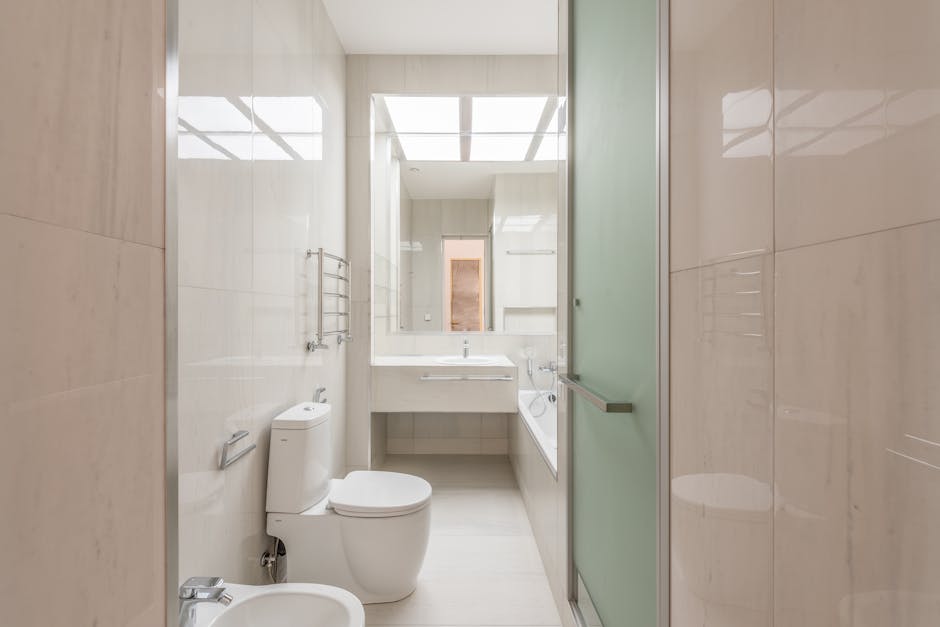
How to Stop an Overflow and Disinfect Safely
Dealing with an overflow can be stressful, whether it’s from a sink, toilet, or bathtub. Acting swiftly and efficiently is crucial to minimize damage and prevent health hazards. This guide provides practical steps to stop the overflow and disinfect the affected area safely.
Immediate Steps to Stop the Overflow
- Turn Off the Water Supply: Immediately locate and turn off the water supply. For toilets, this is usually a valve located behind the fixture. For sinks, look under the sink for the shutoff valves.
- Use a Plunger: If the overflow is due to a blockage, use a plunger to try to clear it. Ensure you have a good seal and plunge vigorously.
- Check for Major Blockages: If plunging doesn’t work, use a plumbing snake to remove deeper clogs in the pipes.
- Contain the Water: Use towels or a mop to quickly soak up and contain the water to prevent it from spreading to other areas.
Disinfecting the Affected Area
Once the overflow is stopped, it’s important to thoroughly clean and disinfect the area to prevent mold growth and eliminate bacteria.
- Remove Excess Water: Use a wet/dry vacuum to remove standing water if possible. This step helps in drying the area faster.
- Clean Surfaces: Wash the affected surfaces with warm, soapy water. Use a scrub brush to remove any visible dirt or debris.
- Apply Disinfectant: Use a household disinfectant. Make sure to follow the instructions on the label for proper application and contact time. Ensure the space is well-ventilated.
- Dry the Area Thoroughly: Use fans or dehumidifiers to speed up the drying process. Open windows if possible to increase airflow.
Preventing Future Overflows
Prevention is key to avoiding future overflows. Here are some tips to help keep your plumbing in good condition:
- Regular Maintenance: Regularly inspect and maintain your plumbing fixtures to ensure they are working properly.
- Dispose of Waste Properly: Avoid flushing non-flushable items down the toilet and dispose of grease and food waste appropriately.
- Install Drain Covers: Use drain covers in sinks and showers to catch hair and debris that can cause blockages.
- Check for Leaks: Regularly check for leaks and fix them promptly to prevent water damage.
When to Call a Professional
If you are unable to stop the overflow or if it keeps recurring, it may be time to call a professional plumber. Persistent plumbing issues can indicate underlying problems that require expert attention.
Overflows can be a hassle, but with quick action and thorough cleaning, you can manage the situation effectively. Remember to prioritize safety by wearing protective gear when cleaning and disinfecting.


